Not sure where to start? Take the FREE Body Pattern Quiz and get your personalized guide. Take the Quiz →


.png)
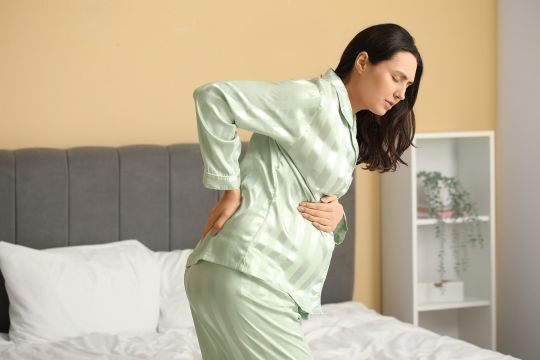
It is easy to expect pregnancy-related aches to disappear once your baby arrives. You may notice discomfort while carrying your baby, feeding, bending over a crib, getting up from the floor, walking, or trying to exercise again. These activities can place new demands on a body that is still recovering.
But your body does not immediately return to its pre-pregnancy state after delivery. Some soreness can be part of postpartum recovery, but back, hip, or pelvic pain that persists, worsens, or makes daily activities difficult should be evaluated.
Understanding how chiropractic can help postpartum back and hip pain starts with identifying what may be contributing to your symptoms. For some women, chiropractic care may be one non-surgical option for musculoskeletal pain. However, postpartum pain has many possible causes, and chiropractic care is not appropriate as the sole response to every symptom.
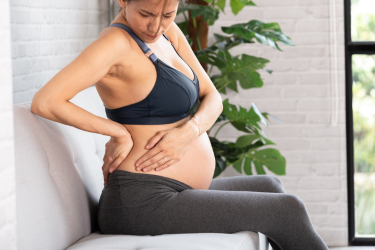
Pregnancy changes how your body carries weight and manages movement. Changes in posture, balance, spinal curvature, and gait can occur as your body adapts to pregnancy, and these changes do not necessarily disappear as soon as you give birth.
Your abdominal muscles, pelvic floor, hips, and surrounding muscles may also have to manage changing demands during pregnancy and recovery, rather than getting a complete break after delivery.
Several factors may contribute to lingering postpartum back or hip pain:
The hormone relaxin, which helps prepare the body for pregnancy and childbirth by increasing ligament flexibility, also contributes to ligament changes during pregnancy. However, it is too simplistic to blame ongoing postpartum hip or pelvic pain entirely on “high relaxin” or loose joints. Postpartum pain is usually better understood as the result of several possible factors rather than a single hormone.
“Postpartum back pain” can describe different experiences. Where you feel the pain, how it feels, and which movements affect it can provide useful information during an evaluation. Those details alone, however, cannot establish the cause.
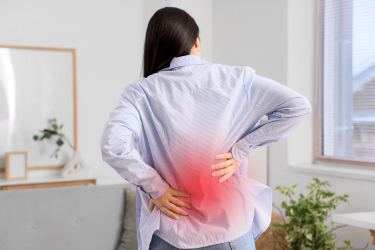
Lower back pain may feel like aching, soreness, or stiffness in the lumbar region. You may notice it more when bending, lifting your baby, carrying a car seat, sitting for a long time, or changing positions.
Lingering lower-back pain may be influenced by how your body manages movement and load after pregnancy. An evaluation can look at how the back, hips, and trunk function together rather than focusing only on where it hurts.
Pelvic girdle pain is usually felt around the back of the pelvis, buttocks, or SI joints, and sometimes near the pubic area. It may occur on its own or alongside lower back pain. Some people notice symptoms while walking, climbing stairs, rolling over in bed, standing on one leg, or moving between sitting and standing.
These symptoms do not automatically mean you have postpartum sacroiliac joint dysfunction or that your pelvis needs to be “put back into place.” Pelvic alignment after childbirth is just one factor to consider, along with pelvic stability, movement, muscle function, and what affects your symptoms.
Pain that travels from the lower back or buttocks down the leg is often called sciatica. True sciatica involves irritation or compression affecting the sciatic nerve and may cause pain, tingling, numbness, or weakness.
Not every postpartum leg symptom is true sciatica, though, so an appropriate assessment can help determine the cause.
Here’s a quick guide to the symptom patterns described above and where they are typically felt:
These patterns can help guide an evaluation, but they cannot diagnose the cause on their own.
Chiropractic care may be considered for some postpartum musculoskeletal back, hip, and pelvic complaints. The goal of an assessment is not to assume that every new mother has the same “misalignment.” Instead, it can look at posture, joint mobility, movement patterns, areas of muscle tension, everyday activities, and the specific functions you are having difficulty with.
Depending on the findings and your stage of recovery, individualized care may include:
Treatment should also account for how you gave birth, where you are in postpartum recovery, whether complications occurred, your current symptoms, and any other healthcare needs.
Adjustments are therefore one possible part of care rather than the entire treatment. If you’re comparing treatment options, you can learn more about Grace Integrative Wellness Center's approach to chiropractic adjustments for spinal and pelvic alignment, including how hands-on care may fit into a broader individualized plan.
That said, it is important to keep the available evidence in mind. Research on chiropractic care for postpartum low-back and pelvic girdle pain is still limited. A 2020 review found some favorable evidence for spinal manipulation or mobilization for postpartum low-back pain, but there was not enough evidence to clearly recommend any one treatment.
Postpartum recovery continues outside the treatment room. Small changes to everyday movement may help reduce unnecessary strain while your body gradually rebuilds its capacity.
Consider these general strategies:
Research suggests that core stabilization exercises may help reduce pain and disability in women with postpartum lumbopelvic pain. However, exercise should still be adapted to the individual.
The American College of Obstetricians and Gynecologists (ACOG) notes that returning to exercise depends on factors such as whether the delivery was vaginal or by C-section and whether there were medical or surgical complications, so there is no single routine that is right for everyone.
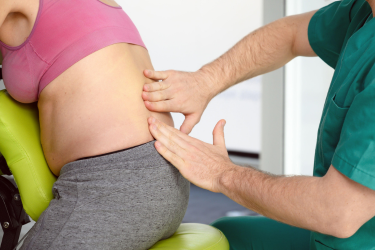
Persistent or worsening pain—particularly when it interferes with walking, sleep, childcare, exercise, or other daily activities—is worth discussing with a healthcare professional rather than dismissing it as part of motherhood.
Some symptoms require more urgent medical attention. Seek appropriate medical care if you experience symptoms such as:
New bowel or bladder problems along with severe or worsening back or leg symptoms can be a sign of a serious underlying problem and require immediate medical evaluation.
Postpartum warning signs also extend beyond back and hip symptoms. The CDC advises seeking immediate medical care for urgent maternal warning signs such as a severe headache that won't go away or gets worse, fainting, severe nausea, trouble breathing, chest pain, fever of 100.4°F (38°C) or higher, severe abdominal pain, or heavy vaginal bleeding after pregnancy.
For symptoms that are not urgent, an evaluation may still be useful when pain keeps returning or starts interfering with everyday activities.
Some postpartum discomfort may improve as the body heals and activity changes. Recovery varies from person to person. If back pain persists, worsens, keeps returning, or interferes with daily activities, consider discussing it with a healthcare professional.
Relaxin affects ligament flexibility during pregnancy, but it is not the only possible cause of postpartum hip or pelvic pain. Movement, muscle function, previous pain, and daily physical demands may also contribute.
It depends on what is causing the symptoms. Chiropractic may be an option for some musculoskeletal causes, but radiating pain or neurological symptoms should be properly assessed first. New or worsening weakness, or changes in bowel or bladder function, require prompt medical attention.
There is no standard timeline. Timing depends on your delivery, healing, symptoms, complications, and medical guidance, especially after a C-section or complicated delivery.
Back, hip, and pelvic discomfort can occur during postpartum recovery, but persistent pain should not automatically be accepted as something every new mother has to tolerate. The source and pattern of symptoms can differ, so the next best step may also vary.
An individualized assessment can help determine whether joint mobility, muscle tension, movement patterns, pelvic and core function, everyday childcare demands, or another issue may be contributing. Depending on the findings, care may include adjustments, bodywork, movement guidance, or rehabilitation, with another healthcare provider involved when appropriate.
If you’re considering additional support, Grace Integrative Wellness Center’s postpartum alignment and bodywork provides more information about its approach to individualized postpartum care.

Maria Antiga is a full-time content strategist and writer for E-Marketing Associates, covering a wide range of subjects with a thoughtful approach to each topic. Her work combines careful research with clear, engaging writing, with a focus on addressing readers’ questions with clarity and useful context.


.avif)
507 Mission St,
South Pasadena, CA 91030
*Inside Mission Chiroworks