
Not sure where to start? Take the FREE Body Pattern Quiz and get your personalized guide. Take the Quiz →
.avif)
Your body undergoes profound structural, hormonal, and neurological changes during pregnancy and in the months that follow. At Grace Integrative Wellness Center in South Pasadena, Dr. Kristine Troesch, DC, CMT provides specialized chiropractic and corrective bodywork care designed to support your body through every stage — from the first trimester through postpartum recovery.
Our integrative approach addresses the mechanical demands of a changing body with precision and gentleness. Care is always adapted to your trimester, birth experience, and individual presentation. We work collaboratively with your OB, midwife, or doula when appropriate.
.avif)
Pregnancy places significant mechanical demands on the spine, pelvis, hips, and soft tissue. As your center of gravity shifts and the hormone relaxin increases ligamentous laxity throughout the body, pain and postural dysfunction are common — and treatable without medication.
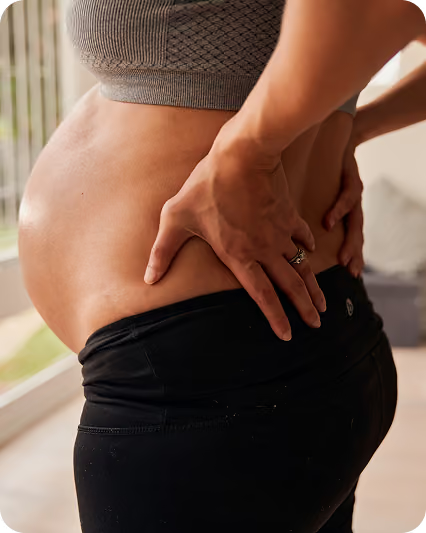
Low back pain affects up to 50–80% of pregnant individuals and is one of the most common reasons women seek chiropractic care during pregnancy. The combination of anterior pelvic tilt, relaxin-driven joint laxity, and increased lumbar load creates mechanical strain that worsens as pregnancy progresses.
Gentle chiropractic adjustments using pregnancy-adapted positioning restore lumbar and sacroiliac joint mechanics without placing pressure on the abdomen. Corrective bodywork releases the deep hip flexors, quadratus lumborum, and paraspinal muscles that are chronically overloaded during pregnancy. Techniques are safe for all trimesters.
BOOK AN APPOINTMENT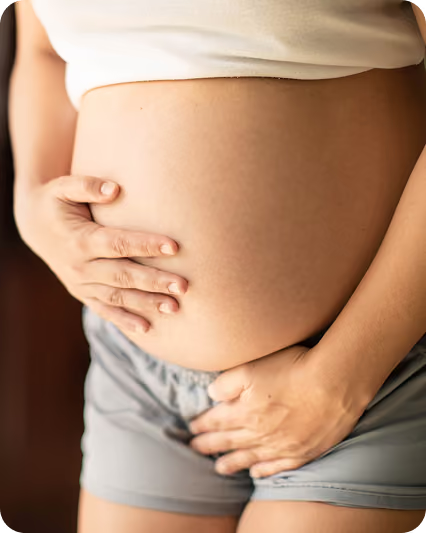
Pelvic girdle pain — including sacroiliac joint dysfunction and symphysis pubis dysfunction — can cause significant pain in the pelvis, groin, inner thighs, and low back. Relaxin-driven hypermobility combined with postural changes makes the SI joint particularly vulnerable during pregnancy.
Webster Technique, a chiropractic analysis and adjustment protocol specifically designed for pregnancy, addresses sacral misalignment and reduces tension in the round ligaments and associated musculature. This helps restore pelvic balance, reduce pain, and support optimal fetal positioning.
BOOK AN APPOINTMENT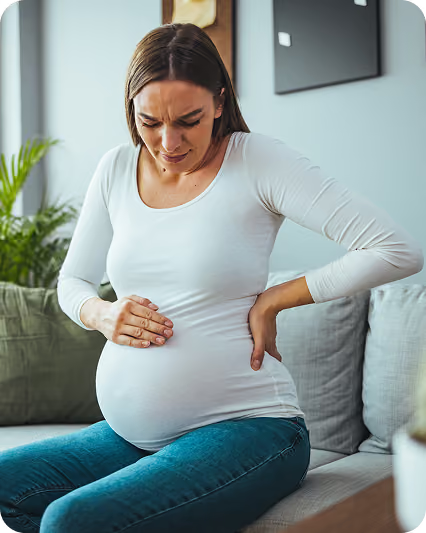
Sharp, shooting pain in the lower abdomen or groin, especially with positional changes, is often caused by tension and strain in the round ligaments as the uterus expands.
Gentle myofascial release and corrective bodywork targeting the round ligaments and hip flexors reduces tension and improves comfort with movement. Webster Technique is also beneficial for addressing the broader pelvic tension pattern contributing to round ligament strain.
BOOK AN APPOINTMENT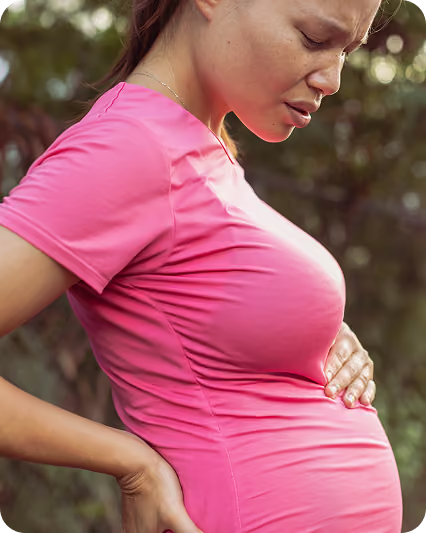
Breast tissue changes, postural compensation, and the forward pull of a growing belly commonly create mid-back tension, rib pain, and thoracic restriction — particularly in the second and third trimesters.
Gentle thoracic adjustments and seated or side-lying soft tissue therapy release rib restrictions and upper back tension without table modifications that may be uncomfortable. Postural coaching helps reduce the progressive mechanical load on the thoracic spine.
BOOK AN APPOINTMENT
Piriformis syndrome and sciatica are common in pregnancy as the growing uterus and shifting pelvis compress the sciatic nerve or increase tension in the piriformis and deep external rotators of the hip.
Targeted soft tissue therapy to the piriformis, deep hip rotators, and glutes relieves sciatic compression. Gentle chiropractic adjustments to the lumbar spine and sacrum restore nerve space and reduce referred pain down the leg.
BOOK AN APPOINTMENT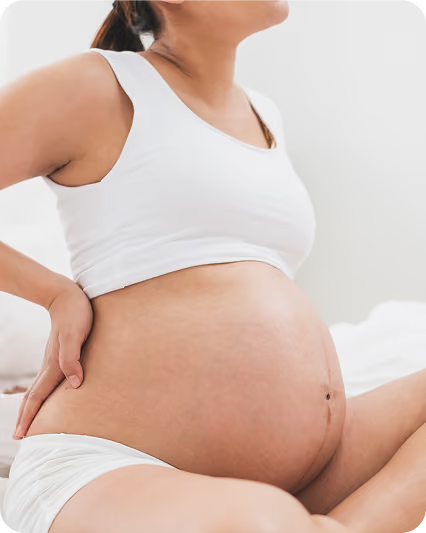
The Webster Technique is a specific chiropractic sacral analysis and adjustment developed for pregnant patients. It addresses sacral subluxation and the associated tension in the round ligaments and broad ligaments of the uterus — promoting optimal pelvic alignment and balance. While not a labor induction technique, balanced pelvic alignment supports the space needed for comfortable fetal positioning as term approaches.Dr. Kristine is trained in Webster Technique and uses it as part of comprehensive prenatal chiropractic care.
BOOK AN APPOINTMENT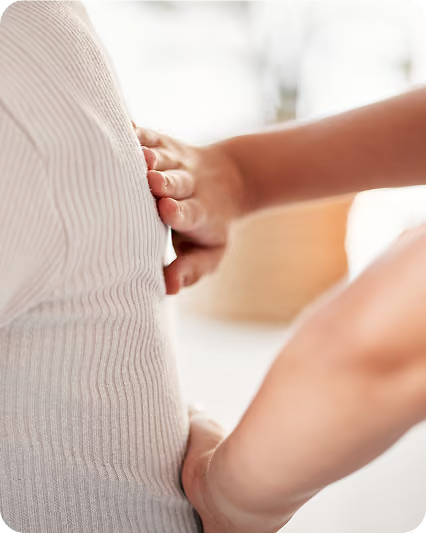
The postpartum period is often called the “fourth trimester” — and for good reason. After birth, your body begins a significant structural and hormonal recovery process. Yet most postpartum individuals receive little to no musculoskeletal support during this time. At Grace Integrative Wellness, we specialize in helping women recover their structural foundation after birth, so they can return to full strength and comfort.
BOOK AN APPOINTMENT
SI joint dysfunction, lumbar instability, and pelvic floor tension are extremely common after both vaginal and cesarean delivery. The combination of hormonal laxity, delivery mechanics, and the physical demands of newborn care — feeding, carrying, bending — creates a perfect storm for postpartum low back pain.
Chiropractic adjustments stabilize the sacroiliac and lumbar joints as relaxin levels normalize postpartum. Corrective bodywork addresses the deep hip stabilizers and lumbar musculature. We also provide ergonomic guidance specific to feeding positions and infant care mechanics.
BOOK AN APPOINTMENT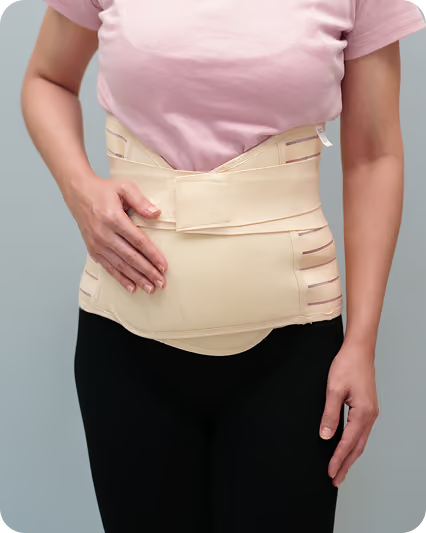
Diastasis recti — the separation of the rectus abdominis muscles along the linea alba — affects a significant majority of postpartum individuals. While we do not directly treat diastasis recti, our postpartum care accounts for its presence when designing soft tissue and rehabilitation strategies. We assess for functional core stability and refer to pelvic floor physical therapists when appropriate.
Core-aware corrective exercise guidance, thoracic mobility work, and postural rehabilitation help restore functional alignment without placing inappropriate load through a healing abdominal wall. We collaborate with your pelvic floor PT for integrated care.
BOOK AN APPOINTMENT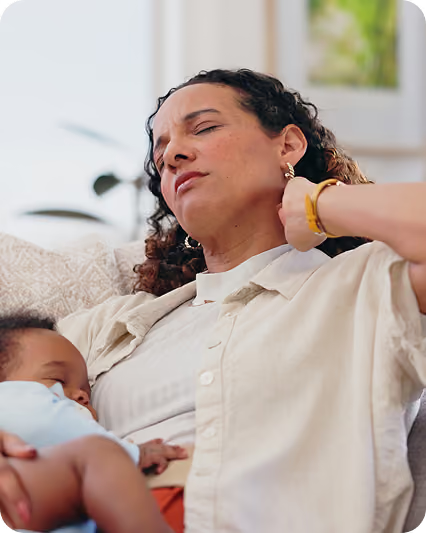
The repetitive demands of nursing, bottle feeding, babywearing, and lifting a growing infant place enormous strain on the cervical spine, upper traps, rhomboids, and shoulders. Postpartum upper back and neck pain is extremely common and often overlooked as just part of new parenthood — it doesn’t have to be.
Cervical and thoracic adjustments restore alignment and reduce nerve irritation. Corrective bodywork targets the upper traps, levator scapulae, and pectorals that become chronically shortened through feeding and carrying postures. Postural coaching and ergonomic adjustments for feeding positions support lasting relief.
BOOK AN APPOINTMENT
Hormonal fluctuations, sleep deprivation, cervical tension from feeding postures, and emotional stress all contribute to postpartum headaches. Many postpartum headaches are cervicogenic in origin and respond well to chiropractic care.
Upper cervical adjustments and targeted soft tissue therapy to the suboccipital, cranial fascial, and upper trapezius regions relieve the mechanical component of postpartum headaches — without medication.
BOOK AN APPOINTMENT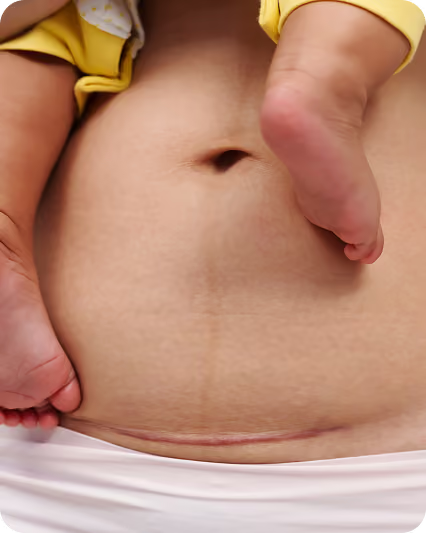
Cesarean birth creates significant scar tissue in the abdominal wall and fascial layers that can contribute to lower abdominal tension, hip flexor tightness, pelvic restriction, and low back pain long after the incision has healed.
Once cleared by your OB (typically 6–8 weeks post-surgery), gentle scar tissue mobilization, myofascial release, and corrective bodywork to the abdomen and hip flexors can significantly improve mobility and reduce chronic tension patterns from cesarean delivery. Chiropractic care helps restore lumbar and pelvic alignment disrupted by surgery and compensatory movement patterns.
BOOK AN APPOINTMENTThe following peer-reviewed sources support the use of chiropractic care and manual therapy during pregnancy and the postpartum period:
Borggren, C. L. (2007). Pregnancy and chiropractic: A narrative review of the literature. Journal of Chiropractic Medicine, 6(2), 70–74. https://doi.org/10.1016/j.jcme.2007.04.004
Ee, C. C., Manheimer, E., Pirotta, M. V., & White, A. R. (2008). Acupuncture for pelvic and back pain in pregnancy: A systematic review. American Journal of Obstetrics and Gynecology, 198(3), 254–259. https://doi.org/10.1016/j.ajog.2007.11.008
Gutke, A., Betten, C., Degerskar, K., Pousette, S., & Olsen, M. F. (2015). Treatments for pregnancy-related lumbopelvic pain: A systematic review of physiotherapy modalities. Acta Obstetricia et Gynecologica Scandinavica, 94(11), 1156–1167. https://doi.org/10.1111/aogs.12750
Liddle, S. D., & Pennick, V. (2015). Interventions for preventing and treating low-back and pelvic pain during pregnancy. Cochrane Database of Systematic Reviews, (9), CD001139. https://doi.org/10.1002/14651858.CD001139.pub4
Peterson, C. K., Haas, M., & Gregory, W. T. (2012). A pilot randomized controlled trial comparing the efficacy of exercise, spinal manipulation, and neuro emotional technique for the treatment of pregnancy-related low back pain. Chiropractic & Manual Therapies, 20(1), 18. https://doi.org/10.1186/2045-709X-20-18
Stuber, K. J., & Smith, D. L. (2008). Chiropractic treatment of pregnancy-related low back pain: A systematic review of the evidence. Journal of Manipulative and Physiological Therapeutics, 31(6), 447–454. https://doi.org/10.1016/j.jmpt.2008.06.009



.avif)
507 Mission St,
South Pasadena, CA 91030
*Inside Mission Chiroworks